
Toronto Commercial Real Estate in 2026: What's Actually Moving the Market
A grounded look at Toronto's commercial real estate market in 2026, including office, retail and industrial trends, and what they mean for buyers and investors.
Commercial real estate headlines tend to swing between "the sky is falling" and "everything's booming," depending on which sector they're talking about. The real picture in Toronto right now is more interesting than either extreme. It's a market moving at different speeds depending on asset type, and understanding those differences matters more than any single headline number.
Office: still finding its footing
Office space has had the longest adjustment period of any commercial sector, as hybrid work reshaped how much space companies actually need. What's notable in Toronto isn't a uniform decline. It's a growing gap between the best buildings and everything else. Newer, well-located, amenity-rich buildings continue to attract tenants willing to pay for quality space, while older buildings without recent upgrades are seeing longer vacancy periods and more aggressive incentives to fill space.
For buyers and investors, this means office isn't a single market to make one call on. It's really two markets: premium and everything else.
Industrial: cooling from a very hot run
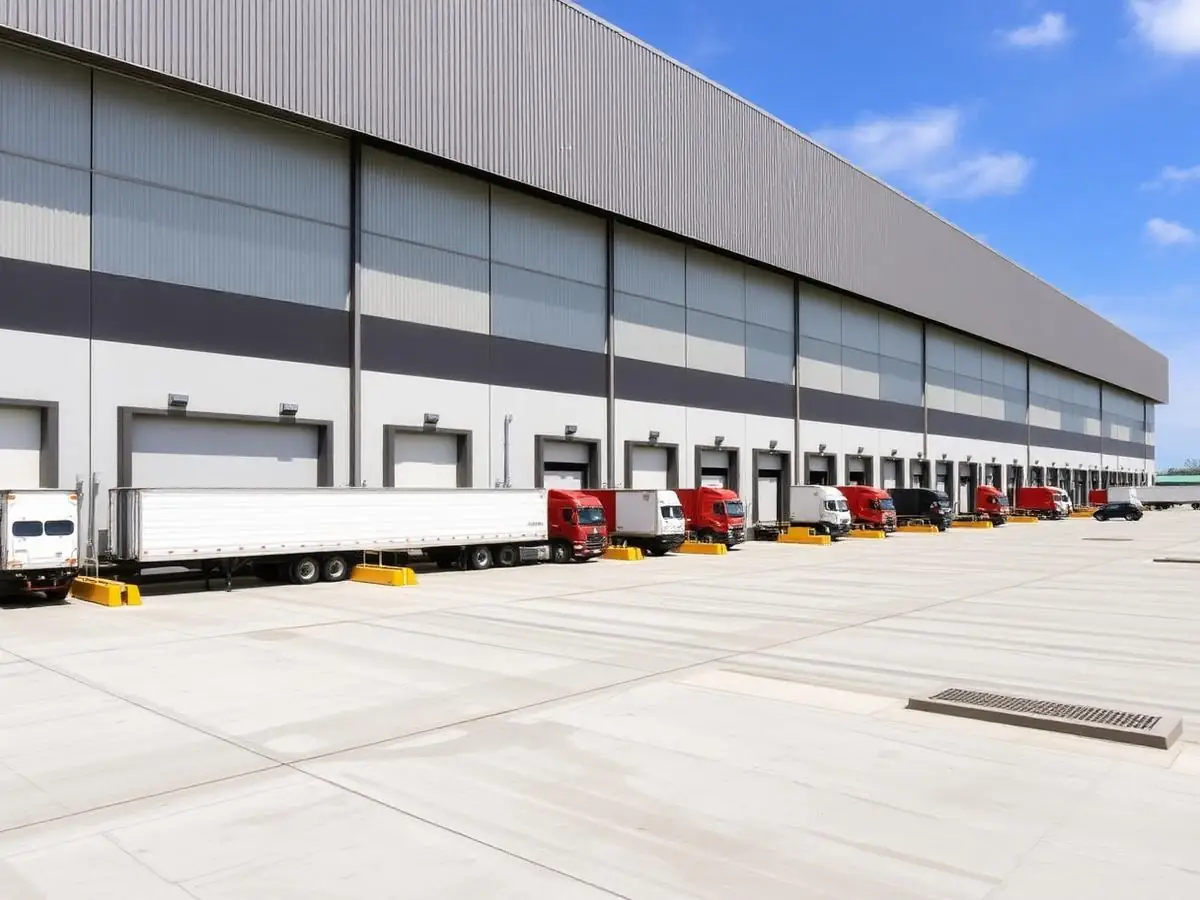
Industrial and warehouse space had an exceptional run over the past several years, driven heavily by e-commerce and supply chain reconfiguration. That growth has moderated, but "moderated" doesn't mean weak. Vacancy rates in the Greater Toronto Area remain low by historical standards, and well-located logistics space near major highway corridors continues to see solid demand from tenants needing last-mile distribution capacity.
The sites worth watching are ones with strong transportation access, since that's increasingly the differentiator between space that leases quickly and space that sits.
Retail: more resilient than expected
Retail has quietly been one of the steadier stories. Neighborhood retail, including grocery-anchored plazas, service-based tenants, and mixed-use ground floor space in growing residential areas, has held up well. It largely serves local, non-discretionary demand rather than competing directly with e-commerce. Large-format, destination retail remains more mixed, with performance tied closely to specific tenant mix and location quality.
What's actually driving investor decisions right now
- Financing costs remain a bigger factor in deal structure than they were a few years ago. This is pushing more buyers toward properties with existing value-add potential rather than pure stabilized assets.
- Location fundamentals matter more than they did during the low-rate years, when almost anything with a lease attached could get financed easily.
- Mixed-use and adaptive reuse conversions, including turning underperforming office or retail into other uses, are becoming a more serious part of the conversation. Execution complexity keeps this from being a fast-moving trend.
What this means if you're evaluating a purchase
The general advice of "buy commercial real estate in a growing city" hasn't gotten less true, but the sector-by-sector nuance matters more now than it did a few years ago. A well-located industrial property and a struggling B-class office building can both technically be "Toronto commercial real estate" while representing completely different risk profiles.
The bottom line
Toronto's commercial market isn't one story right now. It's several running in parallel at different speeds. Understanding which sub-market you're actually looking at, rather than reacting to broad commercial real estate headlines, is what separates a well-informed purchase from a costly assumption.
If you're evaluating a specific property or sector and want context on how it fits current market conditions, that's a much more useful conversation than general trend-watching.
Related services and insights
- Commercial property for sale in TorontoBuying or selling multifamily, industrial, retail, office and land.
- GTA industrial real estate marketWhat drives industrial values and leasing across the GTA.
- Toronto multifamily investment guideHow to evaluate apartment buildings in Toronto and the GTA.
- Sell a commercial propertyValuation, marketing and negotiation for owners.